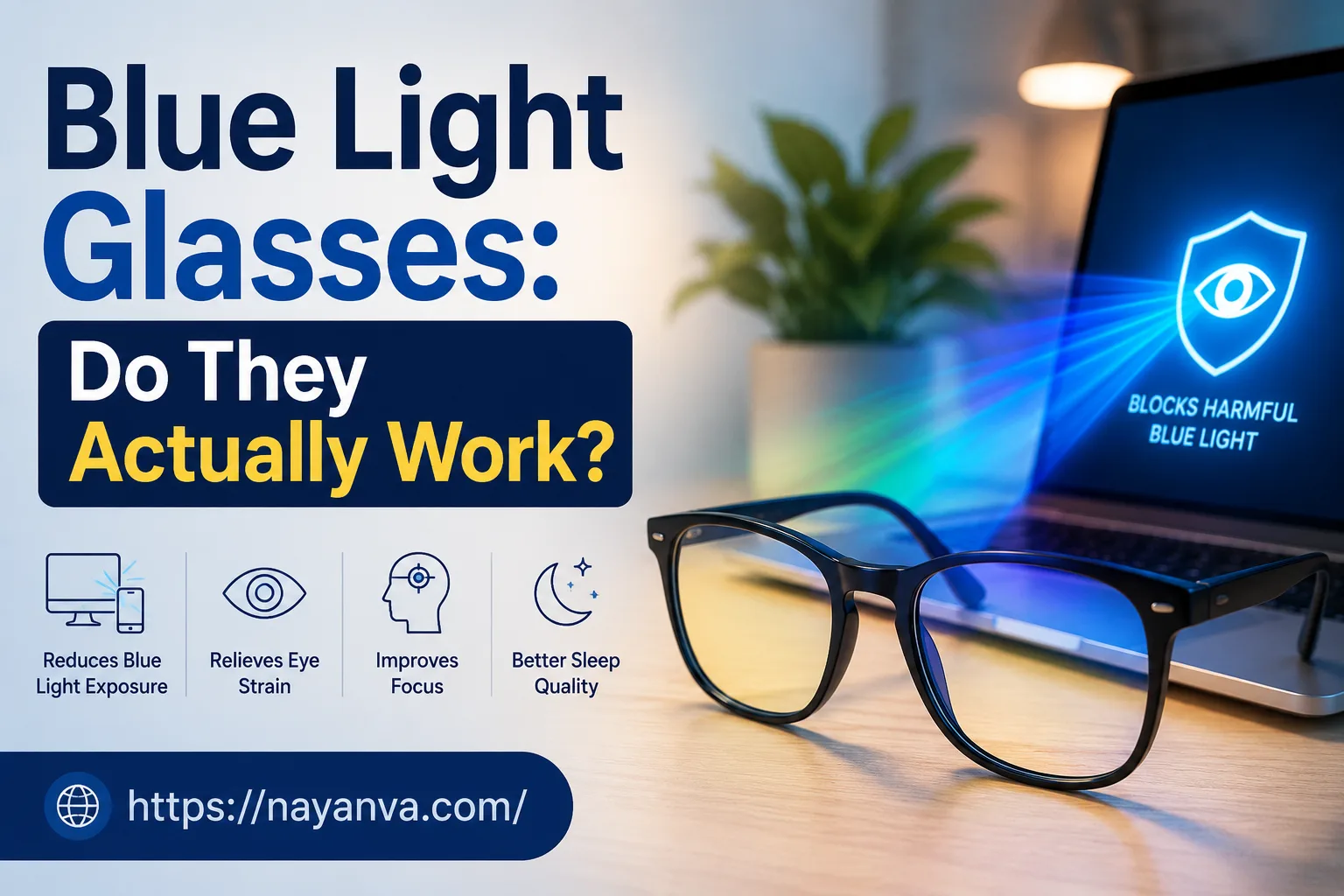
Blue Light Glasses: Do They Actually Work?
Delhi, India, Asia, Pacific and Middle East
Posted 90 views
If you spend a lot of time in front of screens — and at this point, most of us do — you've probably come across blue light glasses. They get recommended a lot, and there's a whole range of them available now at every price point. But the real question most people have is whether they actually do anything, or if they're just a cleverly marketed accessory.
The honest answer is: it's complicated, and the research is still catching up.
Blue light is a part of the visible light spectrum with a short wavelength and relatively high energy. Screens emit it, but so does the sun — and actually the sun emits far more blue light than any phone or laptop does. What makes screen use different is how close we are to the light source and how long we stare without looking away.
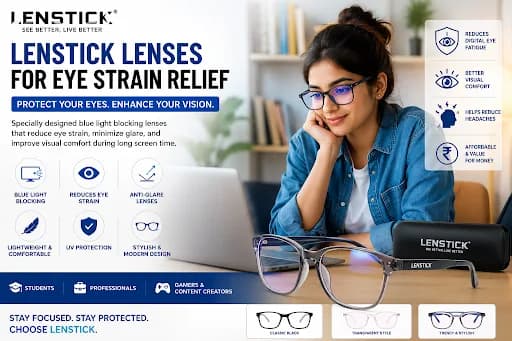
The most commonly reported symptom from long screen sessions is digital eye strain — tired, dry, sometimes sore eyes, and the occasional headache. Blue light glasses are often marketed as a fix for this. Some people swear by them, others notice no difference at all.
The thing is, researchers have found that blue light itself may not be the primary cause of digital eye strain. Reduced blinking, screen glare, poor posture, and looking at a fixed distance for too long are probably bigger contributors. That's a bit inconvenient for the blue light glasses narrative, honestly.
That said, some people do find them genuinely helpful. There's also decent evidence that blue light exposure in the evening can interfere with melatonin production — the hormone that helps you sleep. Blue light glasses worn in the evening might help with that, even if they're not a miracle cure for daytime eye strain.
Nayanva has a few helpful articles on this topic that go deeper into how different lens coatings compare and what independent studies have actually found — worth reading before you spend money on a pair.
If you're considering blue light glasses, try them and see how your eyes feel. They're not going to fix eye strain caused by staring for six hours straight without breaks. But combined with the 20-20-20 rule, they might make a noticeable difference. Just go in with realistic expectations.
Safety Tips
- • Meet in a public place
- • Don't pay in advance
- • Check the item before buying
- • Beware of deals that seem too good
Approximate location