1 / 4
How to Choose the Best Car Moving Companies in South Africa
Cape Town, South Africa, Africa
Posted 463 views
Moving a vehicle across South Africa sounds simple until you start comparing quotes, delivery options, and transport providers. One company promises the lowest price, another promises the fastest delivery, and suddenly you're faced with a decision that involves one of your most valuable assets.
At Auto Movers International, we've spent years helping customers move vehicles between Cape Town, Johannesburg, Durban, Gqeberha, Pretoria, and dozens of other destinations nationwide. Along the way, we've noticed that many customers ask the same question:
"How do I know which car transport company I can trust?"
The answer goes beyond price. Understanding how vehicle transportation works behind the scenes can help you make a smarter decision and avoid costly mistakes.
Quick Summary
When comparing car moving companies in South Africa, focus on:
✔ Experience transporting vehicles nationwide
✔ Collection and delivery options
✔ Vehicle handling procedures
✔ Communication throughout the journey
✔ Fleet capacity and route coverage
✔ Transparent pricing
✔ Ability to transport non-running vehicles
✔ Customer support before and after booking
Expert Tip: The cheapest quote is not always the most affordable option. Delays, poor communication, and inadequate handling can create additional costs and frustration later.
Why More South Africans Are Using Vehicle Transport Services
Many people assume driving a vehicle to its destination is the most economical choice.
In reality, long-distance driving often includes hidden expenses:
Fuel costs
Toll fees
Accommodation
Vehicle wear and tear
Tyre depreciation
Additional servicing requirements
Time away from work or family
For example, a vehicle travelling between Cape Town and Johannesburg can accumulate over 1,400 kilometres in a single trip. That's mileage that immediately affects vehicle value and future maintenance requirements.
Professional vehicle transport eliminates these concerns while allowing owners to focus on other priorities.
What Car Transport Companies in South Africa Actually Do
One common misconception is that vehicle transportation simply involves loading a car onto a truck and driving away.
Professional vehicle logistics is significantly more complex.
Before transport begins, experienced carriers coordinate:
Route Planning
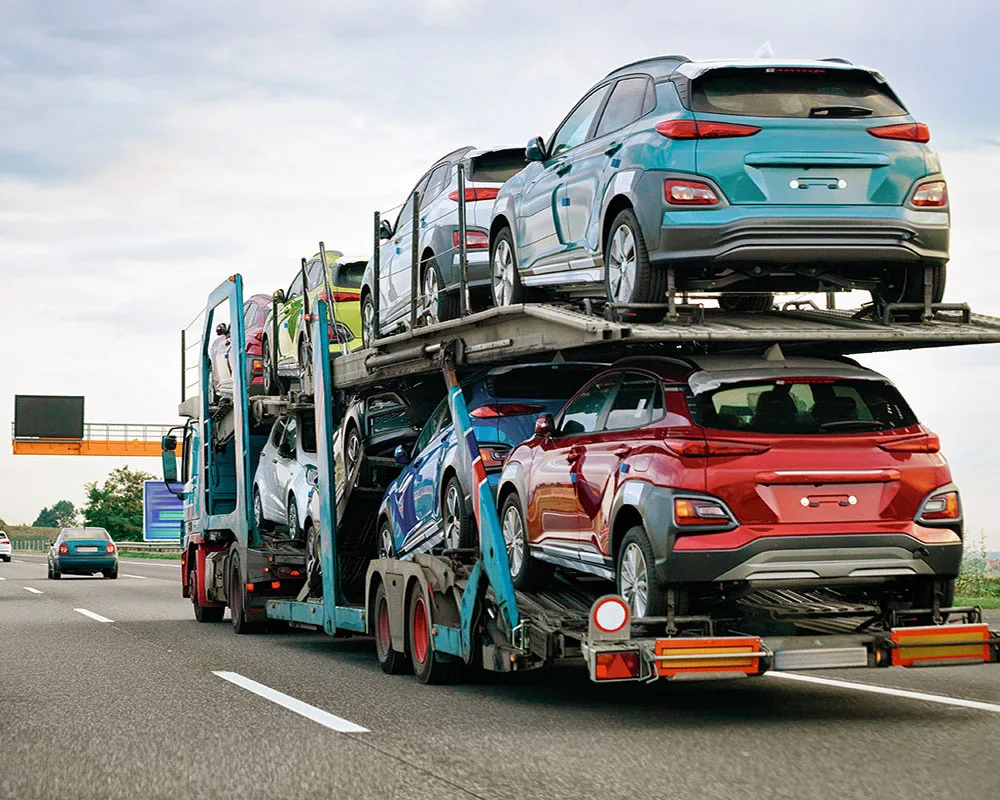
Vehicle carriers often operate scheduled routes between major cities.
This helps maximize efficiency while reducing customer costs.
Vehicle Inspection
A thorough inspection records the vehicle's condition before loading.
This protects both the customer and the transport provider.
Load Management
Not every vehicle is the same.
Transport planners must consider:
Vehicle dimensions
Weight distribution
Loading positions
Carrier capacity
Collection and delivery schedules
Delivery Coordination
Transport teams communicate with customers to ensure smooth handovers at collection and delivery points.
These operational details are often invisible to customers but play a major role in ensuring successful transport.
Behind the Scenes: What Separates Professional Car Moving Companies from Average Providers
Many transport companies advertise similar services. However, the biggest differences are often found in operational processes rather than marketing claims.
Consistent Route Networks
Companies with established national routes generally provide more predictable scheduling.
At Auto Movers International, we regularly transport vehicles between:
Cape Town
Johannesburg
Durban
Pretoria
Gqeberha
Bloemfontein
East London
A structured network helps reduce delays and improves overall efficiency.
Vehicle-Specific Expertise
Transporting a hatchback differs significantly from transporting:
Luxury vehicles
Minibus taxis
Commercial vehicles
Non-running vehicles
Fleet vehicles
Experienced carriers understand these differences and adapt transport methods accordingly.
Customer Communication
One of the biggest complaints within the transport industry is lack of communication.
Customers want updates.
They want realistic delivery expectations.
They want to know where their vehicle is.
Reliable communication often matters just as much as the transport itself.
Safety Tips
- • Meet in a public place
- • Don't pay in advance
- • Check the item before buying
- • Beware of deals that seem too good
Approximate location