Improving Healthcare Supply Planning Through Better Inventory Practices
Detroit Metro, Michigan, US
Posted 2 views
Healthcare facilities depend on the availability of essential medical supplies to support their daily operations. From gloves and masks to cleaning materials and other medical essentials, keeping track of stock is an important responsibility. When inventory records are outdated or supplies are poorly organized, teams may face shortages, unnecessary purchases, and avoidable waste.
Why Medical Supply Planning Matters
Effective supply planning helps healthcare facilities understand what they have in stock and what needs to be reordered. Without a clear inventory process, staff may spend valuable time searching for supplies or checking multiple records to confirm availability.
A consistent approach to Medical Inventory Management can help organizations maintain more organized records and make informed decisions about purchasing and replenishment.
Common Challenges in Healthcare Inventory
Healthcare inventory can be difficult to manage because different supplies have different usage rates, storage requirements, and replenishment needs. Some items may be used every day, while others are required less frequently.
Common challenges include:
Unexpected shortages: Essential items may run out when stock levels are not monitored regularly.
Excess inventory: Purchasing more supplies than necessary can take up storage space and tie up budgets.
Disorganized records: Inaccurate information makes it harder to understand current stock levels.
Unnecessary waste: Poor stock rotation and limited visibility can contribute to expired or unused supplies.
Time-consuming checks: Manual processes can make inventory tracking more difficult for busy teams.
Recognizing these challenges is the first step toward building a more reliable supply management process.
Practical Ways to Improve Inventory Control
Healthcare facilities can strengthen their inventory practices by introducing consistent procedures and reviewing them regularly.
1. Maintain Accurate Stock Records
Record incoming supplies, usage, and outgoing items consistently. Accurate information gives staff a clearer picture of available inventory and helps them identify discrepancies sooner.
2. Set Reorder Levels
Establish minimum stock levels for frequently used supplies. Reviewing these thresholds can help teams plan replenishment before essential items run out.
3. Review Expiration Dates
Use a clear stock rotation process so that items approaching their expiration dates receive appropriate attention. Regular inspections can help reduce avoidable waste.
4. Organize Storage Areas
Group similar supplies together and label shelves or storage locations clearly. An organized stockroom makes it easier for staff to locate items and return them to the correct place.
5. Review Usage Patterns
Look at past consumption and changes in demand when planning purchases. Regular reviews can help healthcare teams make more informed decisions instead of relying entirely on guesswork.
How Technology Can Support Inventory Visibility
Digital inventory tools can help centralize stock information and make routine tracking easier, depending on the solution and its available features. Instead of relying exclusively on scattered notes or spreadsheets, teams can explore ways to keep inventory information more accessible and consistent.
The right approach depends on the facility's size, workflows, supply requirements, and budget. Before adopting a tool, healthcare organizations should identify their main inventory challenges and evaluate whether the solution meets their operational needs.
Building a More Reliable Supply Process
Improving healthcare inventory does not always require a complicated overhaul. Small, consistent steps—such as updating records, checking expiration dates, setting reorder points, and reviewing usage—can help create a more organized process over time.
Clear procedures also help team members understand their responsibilities and maintain consistent inventory records. Periodic reviews allow facilities to identify gaps and adjust their approach as requirements change.
Final Thoughts
Reliable inventory practices help healthcare facilities manage supplies more carefully, reduce avoidable waste, and plan replenishment with greater confidence. By combining accurate records, organized storage, regular stock reviews, and suitable technology, teams can build a supply management process that better supports everyday healthcare operations.
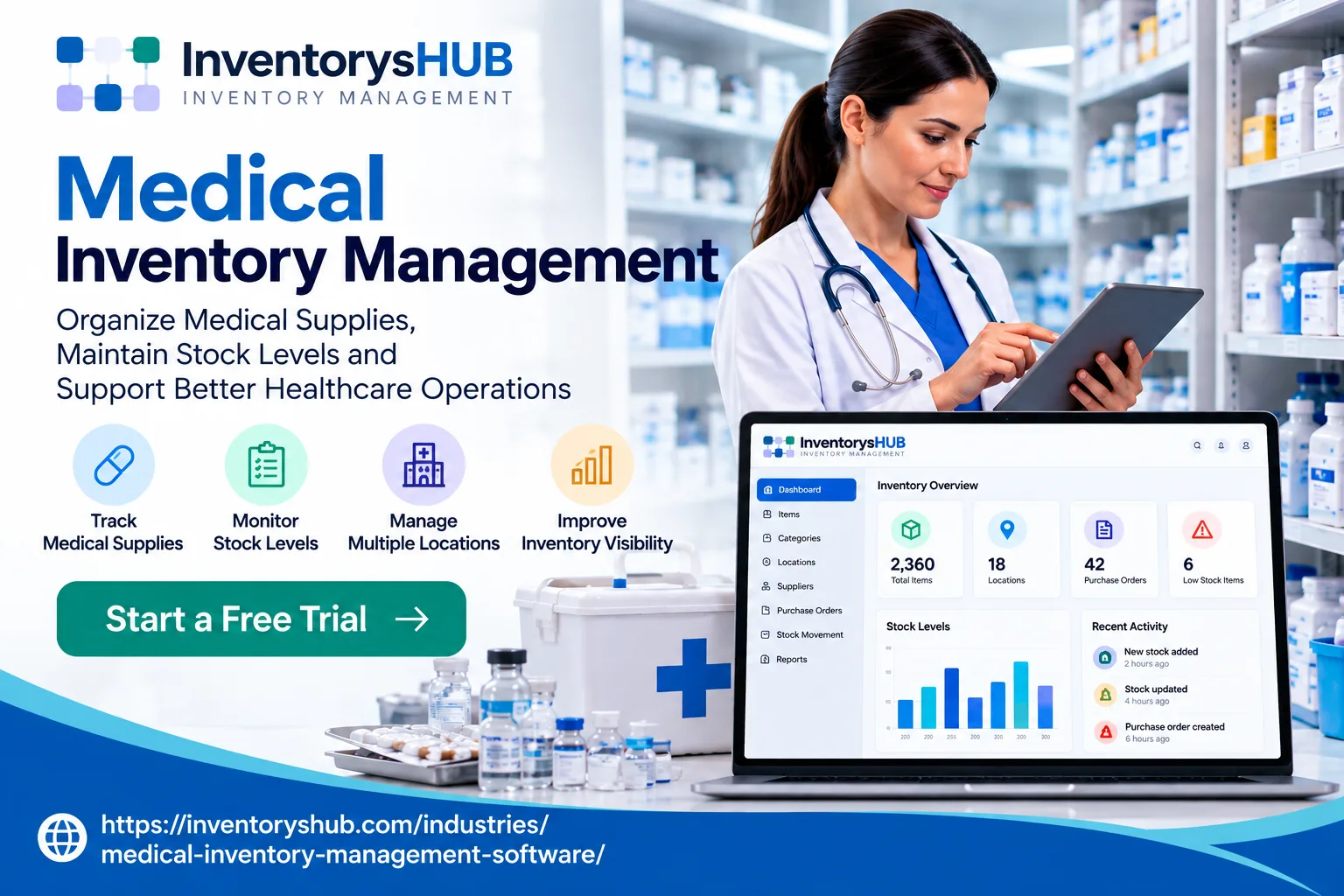
Explore InventorysHUB to learn more about inventory management for healthcare settings:
https://inventoryshub.com/industries/medical-inventory-management-software/

Safety Tips
- • Meet in a public place
- • Don't pay in advance
- • Check the item before buying
- • Beware of deals that seem too good
Approximate location