1 / 2
Low Protein Dog Food for Kidney Disease: What Dog Owners Should Know
New York City, New York, US
Posted 92 views
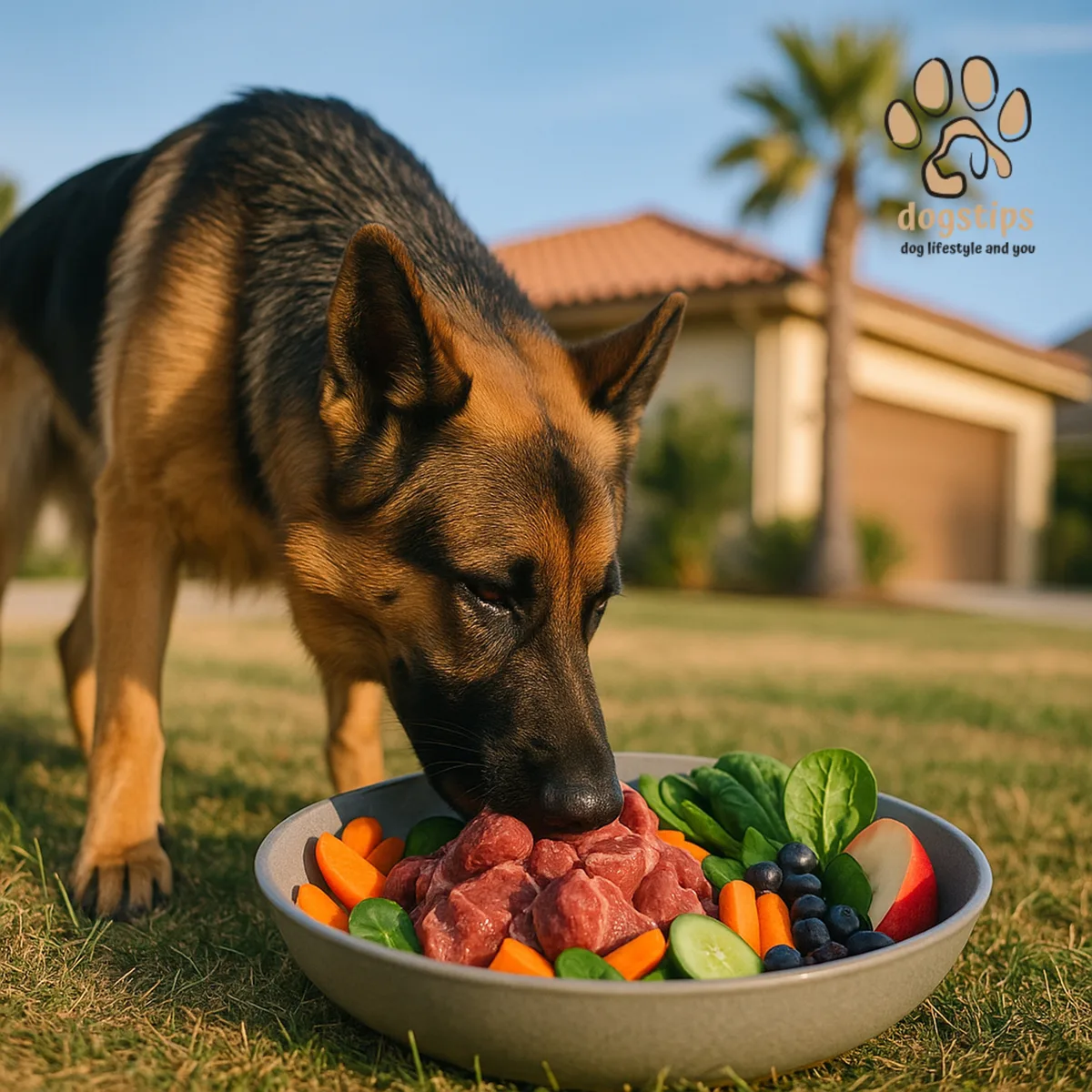
At Dogs Tips, we understand how concerning it can be when your dog is diagnosed with kidney disease. Nutrition can become an important part of your dog's overall care, and many pet owners begin searching for low protein dog food for kidney disease.
However, kidney disease can affect every dog differently. The right diet may depend on the stage of the disease, your dog's age, weight, appetite, overall health, and other medical conditions. For this reason, dietary changes should always be discussed with a qualified veterinarian.
Understanding Low Protein Dog Food for Kidney Disease
When a dog has kidney disease, its nutritional requirements may change. In some cases, a veterinarian may recommend a therapeutic or specially formulated diet designed to support kidney function.
Low protein dog food for kidney disease is often discussed as one possible dietary approach. However, reducing protein is not the only nutritional factor that may matter. The quality and amount of protein, calorie intake, phosphorus levels, hydration, and your dog's overall nutritional needs may also need to be considered.
The most appropriate diet should be based on your individual dog's condition and veterinary recommendations.
Why Diet Matters for Dogs With Kidney Disease
A carefully selected diet may play an important role in managing kidney disease alongside regular veterinary care. The goal is to provide appropriate nutrition while supporting your dog's overall health and maintaining a healthy body condition.
Dogs with kidney disease may also experience changes in appetite or weight. Because of this, simply choosing a food labeled as low protein may not always be the best solution.
At Dogs Tips, we encourage dog owners to look at the complete nutritional profile and discuss suitable options with their veterinarian.
Safety Tips
- • Meet in a public place
- • Don't pay in advance
- • Check the item before buying
- • Beware of deals that seem too good
Approximate location