Quality Spices: Essential Guide for Home Cooks
Delhi, India, Asia, Pacific and Middle East
Posted 111 views
When cooking traditional Indian dishes, spice quality directly impacts results. Many home cooks wonder why their recipes don't match restaurant standards—the answer often lies in using good ingredients.
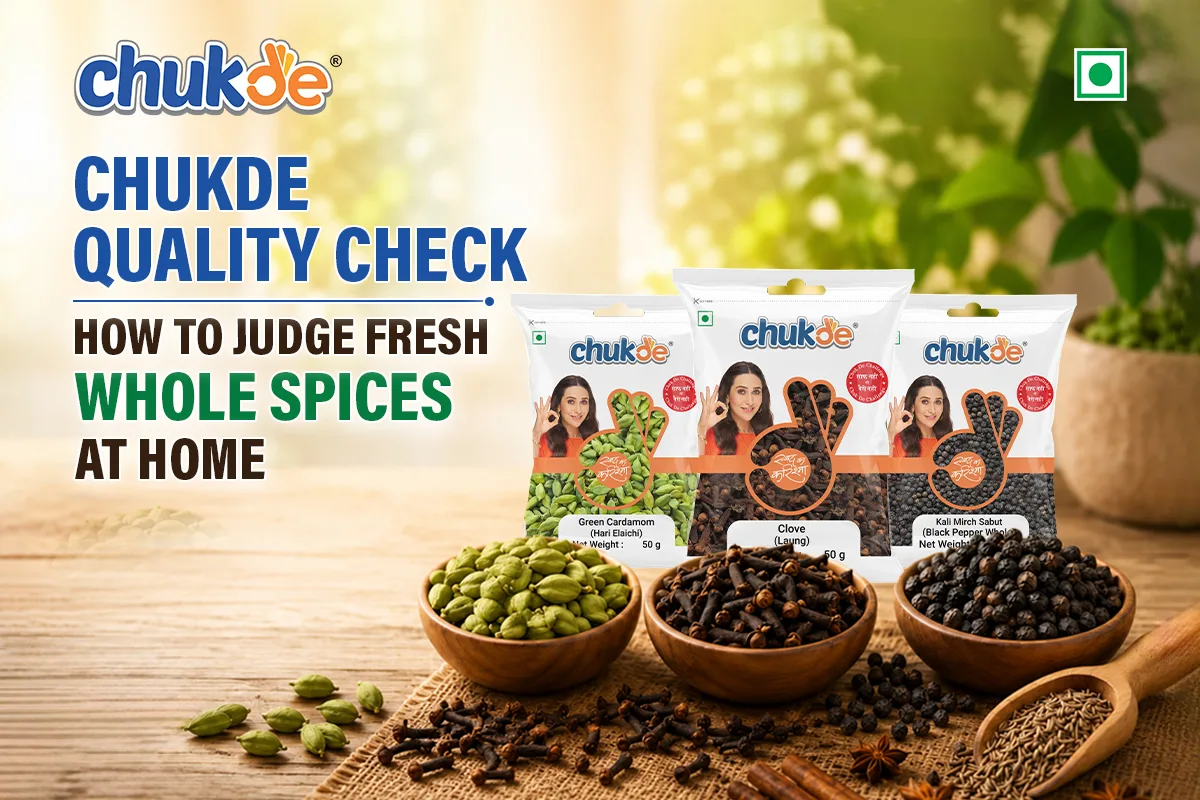
Whole spices maintain aromatic compounds longer than ground alternatives because oils remain sealed until crushed. Checking spice quality at home is straightforward. Begin with sensory evaluation. Quality spices emit strong, distinctive aromas—cumin smells warm and earthy, cardamom smells fragrant and sweet, and black pepper smells sharp.
A weak or stale smell indicates the spice has lost potency. Perform the rub test by gently crushing a piece and rubbing it between your fingers. A strengthened aroma confirms good oil retention. Those interested in learning more can check spice quality check methods to understand visual inspection better. Good spices have balanced coloring, firmness, and cleanliness.
Proper storage preserves spice quality effectively. Use airtight containers and maintain cool, dry storage conditions away from sunlight, heat, and moisture. For detailed guidance, see www.chukde.com/post/how-to-check-fresh-whole-spices. These practices ensure consistent flavor in everyday cooking.
Safety Tips
- • Meet in a public place
- • Don't pay in advance
- • Check the item before buying
- • Beware of deals that seem too good
Approximate location