Removable Gooseneck Trailers Explained: Ground-Level Loading for Heavy Machinery
Los Angeles, California, US
Posted 65 views
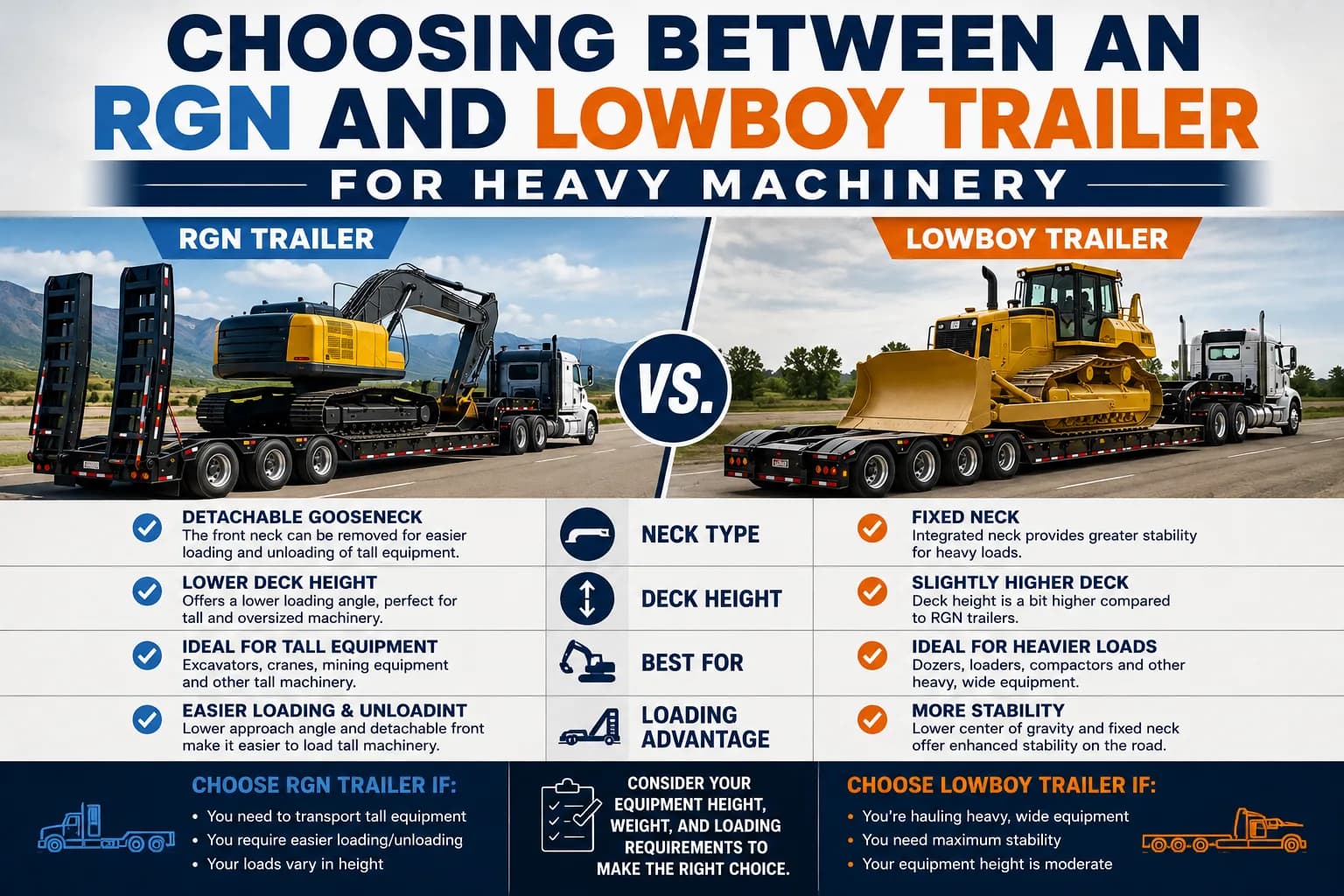
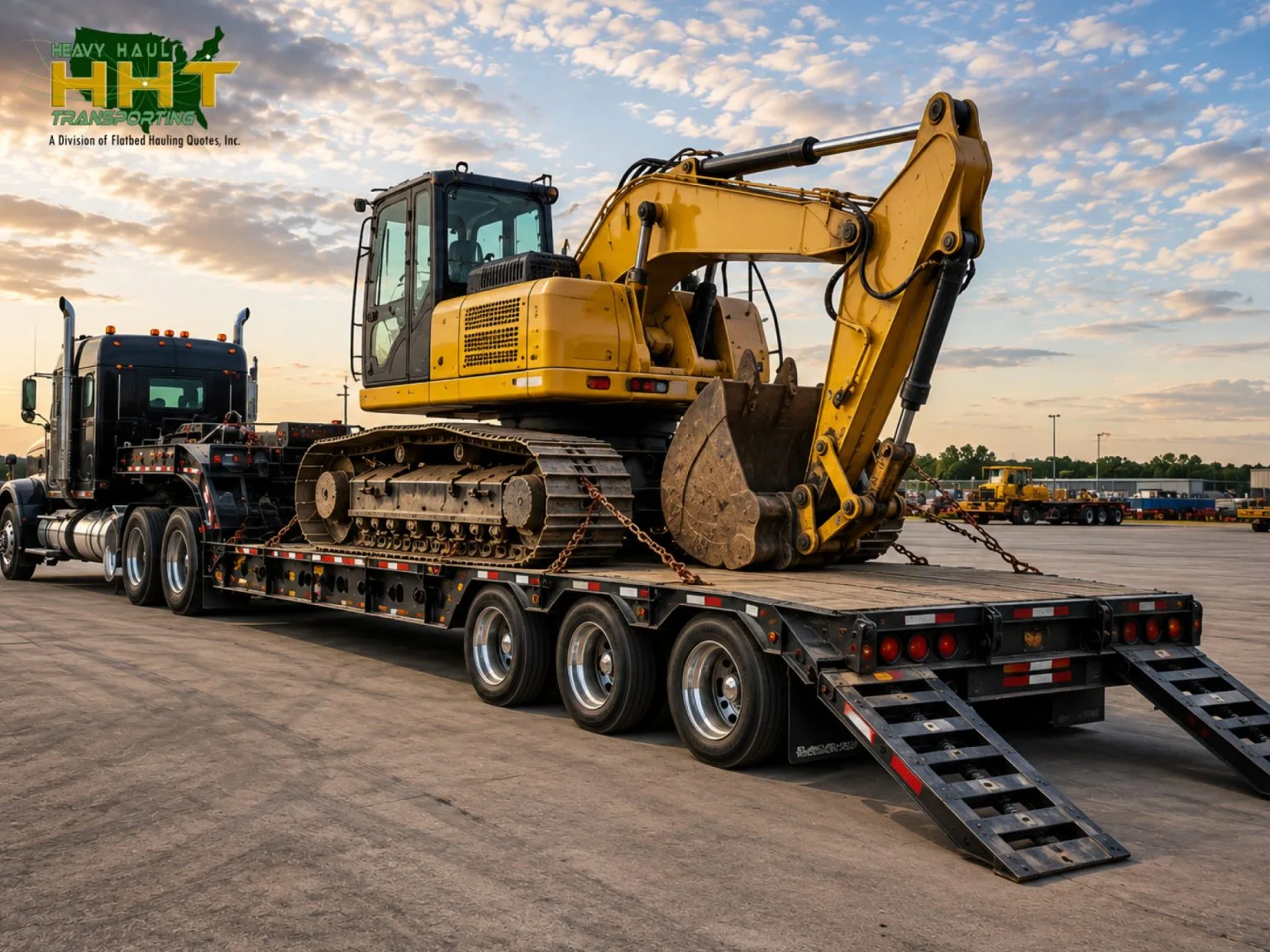
A Removable Gooseneck (RGN) trailer is built around one key feature: the front section detaches, allowing the deck to lower close to ground level. For equipment that can move under its own power excavators, bulldozers, wheel loaders, and graders, this creates a straightforward path onto the trailer without a crane or makeshift ramp. Once positioned, the gooseneck reattaches and the load gets secured. This loading method is especially useful at sites without ideal conditions for conventional ramp loading active job sites, remote locations, and equipment yards all benefit from the flexibility. Still, an RGN isn't automatically right for every shipment. Selecting the proper configuration depends on the equipment's weight and dimensions. Operating weight, including attachments, determines axle configuration and how weight is distributed. Length, width, height, and ground clearance determine deck requirements and total loaded height, which affects permit needs. Deck height is a particular advantage for tall machinery, though loaded height still has to clear bridges and state requirements. For dealers and contractors weighing their options, this guide to removable gooseneck trailers covers what the design offers.
Safety Tips
- • Meet in a public place
- • Don't pay in advance
- • Check the item before buying
- • Beware of deals that seem too good
Approximate location