Delhi, India, Asia, Pacific and Middle East
Posted 75 views
Search engine optimization has evolved beyond simply using keywords. Today, search engines rely on artificial intelligence (AI), natural language processing (NLP), and semantic understanding to interpret user intent and deliver the most relevant search results. Semantic SEO focuses on creating comprehensive, user-first content that covers entire topics rather than targeting a single keyword.
By incorporating related concepts, entities, and contextual information, businesses can improve search visibility, build topical authority, and attract qualified organic traffic.
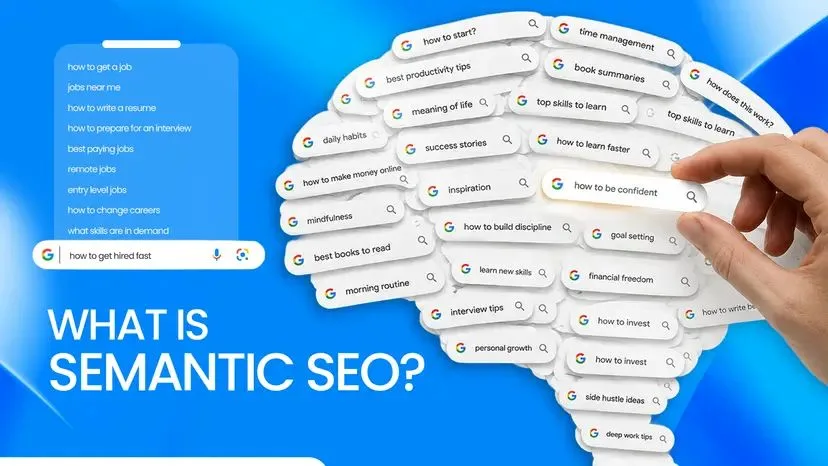
What Is Semantic SEO?
Semantic SEO is the practice of optimizing content around topics, user intent, and related concepts instead of exact-match keywords. It helps search engines understand the relationships between words, phrases, brands, products, and other entities, allowing them to deliver more accurate and meaningful search results.
Instead of publishing multiple pages for similar keywords, Semantic SEO encourages creating detailed content that answers user questions and covers a subject from different perspectives.
Why Semantic SEO Matters
Modern search engines evaluate content based on quality, relevance, expertise, and context—not just keyword density. Implementing Semantic SEO helps businesses:
Improve organic search visibility
Rank for related and long-tail keywords
Match user search intent
Build topical authority
Increase website engagement
Drive qualified organic traffic
Support long-term SEO growth
How Semantic SEO Works
Semantic SEO helps search engines understand what a page is truly about by connecting related ideas and topics.
Key strategies include:
Understanding user search intent
Creating topic clusters and pillar pages
Using related keywords naturally
Optimizing for entities such as brands, products, and locations
Strengthening internal linking
Publishing valuable, user-focused content
These practices improve both user experience and search engine understanding.
Essential Elements of Semantic SEO
A strong Semantic SEO strategy includes:
Comprehensive Topic Research
Search Intent Analysis
Topic Clusters
Internal Linking
Structured Data
High-Quality Content
Natural Language Optimization
Entity-Based SEO
Technical SEO Improvements
Mobile-Friendly Design
Fast Website Performance
Regular Content Updates
Benefits for Businesses
Businesses across industries can achieve lasting results with Semantic SEO, including:
Higher Search Engine Rankings
Better Organic Traffic
Increased Website Authority
Improved User Experience
Higher Click-Through Rates
More Qualified Leads
Better Conversion Opportunities
Stronger Brand Visibility
Sustainable Digital Growth
Common Mistakes to Avoid
Avoid these common SEO mistakes:
Keyword stuffing
Thin or duplicate content
Ignoring search intent
Weak internal linking
Poor website structure
Outdated content
Missing structured data
Neglecting technical SEO
Creating isolated pages without topical connections
Who Benefits from Semantic SEO?
Semantic SEO is valuable for:
E-commerce Stores
Digital Marketing Agencies
Local Businesses
Healthcare Providers
Educational Institutions
SaaS Companies
Real Estate Firms
Financial Services
Manufacturing Companies
Travel & Hospitality Businesses
Professional Service Providers
Content Publishers
The Future of SEO Is Semantic
As AI-powered search engines continue to evolve, Semantic SEO has become an essential part of modern digital marketing. Creating content that answers real user questions, demonstrates expertise, and covers topics comprehensively helps businesses improve rankings, increase visibility, and build long-term authority.
By combining semantic optimization, technical SEO, quality content, and a user-first approach, businesses can attract qualified visitors, improve engagement, and achieve sustainable organic growth in an increasingly intelligent search landscape.

Safety Tips
- • Meet in a public place
- • Don't pay in advance
- • Check the item before buying
- • Beware of deals that seem too good
Approximate location