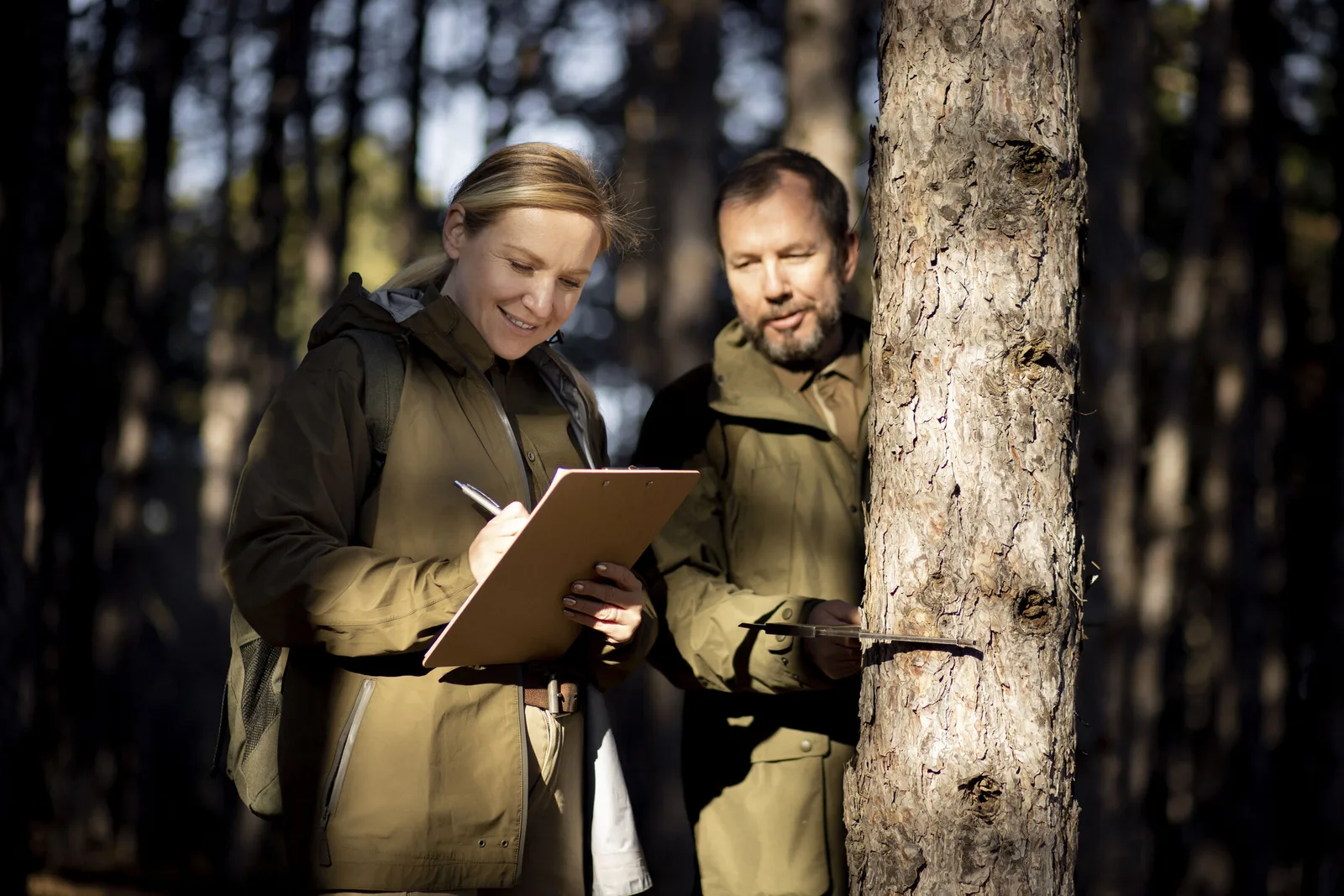
VT Forestry and Ecosystem Management: A Guide to Sustainable Stewardship
Vermont, Vermont, US
Posted 53 views
An informative overview of how sustainable forestry practices in Vermont support biodiversity, water quality, and long-term forest health across the region.
The landscape of Vermont is defined by its expansive woodlands, which cover over three-quarters of the state. VT forestry serves as a critical framework for managing these diverse ecosystems, balancing the needs of wildlife habitats, timber production, and carbon sequestration. By utilizing scientific management techniques, land stewards ensure that forests remain resilient against climate change and invasive species.
Central to VT forestry is the concept of sustainable harvesting. This practice involves selecting specific trees for removal to improve the health and growth rate of the remaining stand, rather than clear-cutting large areas. This approach maintains continuous forest cover, which is essential for protecting delicate watersheds and preventing soil erosion in the Green Mountains.
Furthermore, VT forestry programs emphasize the importance of biodiversity. By maintaining a variety of tree species and forest age structures, these management efforts provide essential niches for native fauna. Education and public outreach remain pillars of these initiatives, helping private landowners understand how their forest stewardship contributes to the broader ecological health of the Northeast. Through careful planning and scientific oversight, the state’s woodlands continue to provide environmental and economic benefits for future generations.
Safety Tips
- • Meet in a public place
- • Don't pay in advance
- • Check the item before buying
- • Beware of deals that seem too good
Approximate location