What are the operating regulations for electric baggage tractors?
China, Asia, Pacific and Middle East
Posted 102 views
What are the operating regulations for electric baggage tractors?
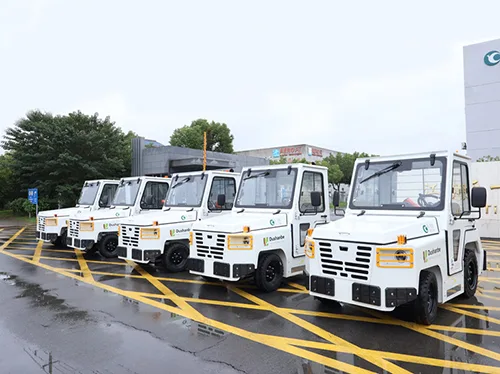
Safety is the responsibility and obligation of every operator. This safety guideline includes basic safety measures and typical warnings during the operation of the tractor.
1. Safety when getting on and off the tractor
Do not get on or off the tractor while it is moving. Use the safety pedals and handrails during the process of getting on and off the tractor.
2. Can operate only after sitting steadily
Adjust the seat completely before operating.
Before starting, adjust the seat position to facilitate hands and feet operation.
3. Safe starting
Before starting, confirm the following points:
- The gear switch is in the N position.
- There is no one on the tractor, up, down, front, or back.
- Do not step on the accelerator pedal before turning on the power.
4. Do not make sudden braking or sharp turns
Operate smoothly and accurately. Do not make sudden braking or sharp turns.
Making sharp turns may cause the vehicle to tip over.
5. Pay attention to the direction of vehicle movement
Pay attention to the direction of vehicle movement and maintain a good view.
Be careful when reversing.
6. Do not allow others to get on the tractor
Do not allow others to sit on the tractor.
7. Focus on work
Concentrate on work and learn to prevent the occurrence of dangerous situations.
8. Keep head, arms, and legs inside the tractor at all times
Do not extend your hands or arms.
9. Pay attention to passageway entrances and exits and slow down when turning
When working in crowded areas, pay attention to observing the forks, rope entrances and hanging objects. Slow down when passing through crossroads or other sections with poor visibility and honk the horn.
The speed of turning should be limited to one-third of the maximum running speed of the vehicle.
10. Maintain a certain distance from the roadside or platform.
11. When passing over the shipboard or bridgeboard, confirm its correct fixation and sufficient strength to bear the weight of the tractor.
12. Do not make turns on slopes to avoid danger.
13. Check the area to be traveled
Check the road surface, holes, steep slopes, obstacles, sharp turns, and possible situations that may cause loss of control or jolting. Remove garbage, debris, and objects that may puncture tires and cause the goods to lose balance.
Drive slowly on slippery roads and do not drive on the edge of the road. Be extra careful when unavoidable.
Uneven ground will cause vehicle vibration and noise.
In bad weather conditions such as sandstorms, snow, thunderstorms, heavy rain, and typhoons, do not use the tractor. Especially when the wind speed is greater than 10 meters per second, avoid using the tractor outdoors.
14. Correct parking
Park on a flat surface and engage the handbrake.
If you must park on a slope, use wedge-shaped blocks to pad the wheels.
Turn off the key switch, remove the key. Unplug the battery connector.
The parking must be far away from fire sources.
15. Dragging
When the tractor cannot move, drag it to a safe location.
Do not drag tractors with damaged steering systems or braking systems.
16. Label
The labels and signs on the vehicle have warnings and operation instructions. When operating, please follow the requirements of this manual and the labels, signs, and markings on the vehicle. Check the labels, signs, and markings, replace damaged labels, signs, and markings.
Safety Tips
- • Meet in a public place
- • Don't pay in advance
- • Check the item before buying
- • Beware of deals that seem too good
Approximate location